Subsea vent termination
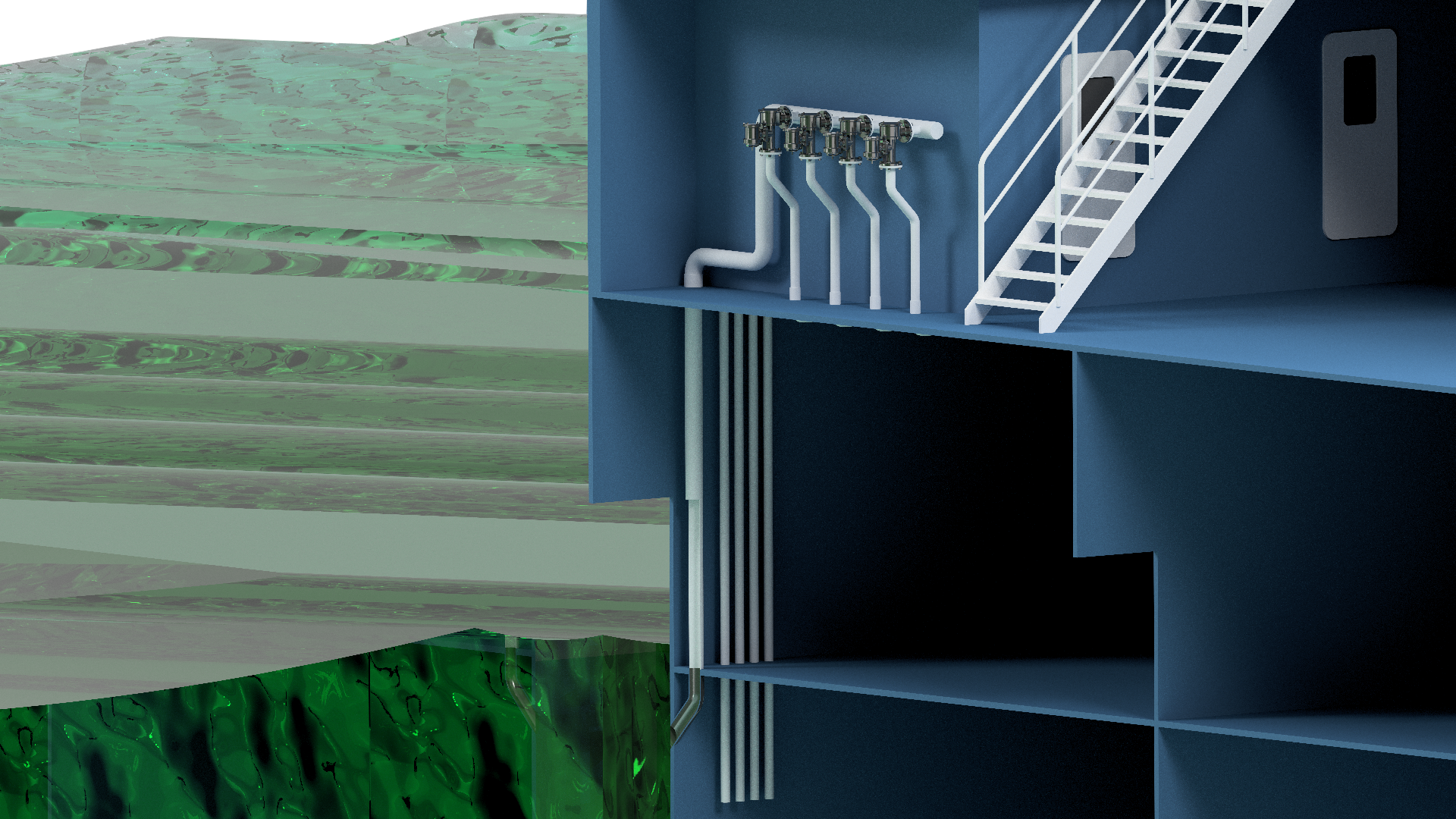
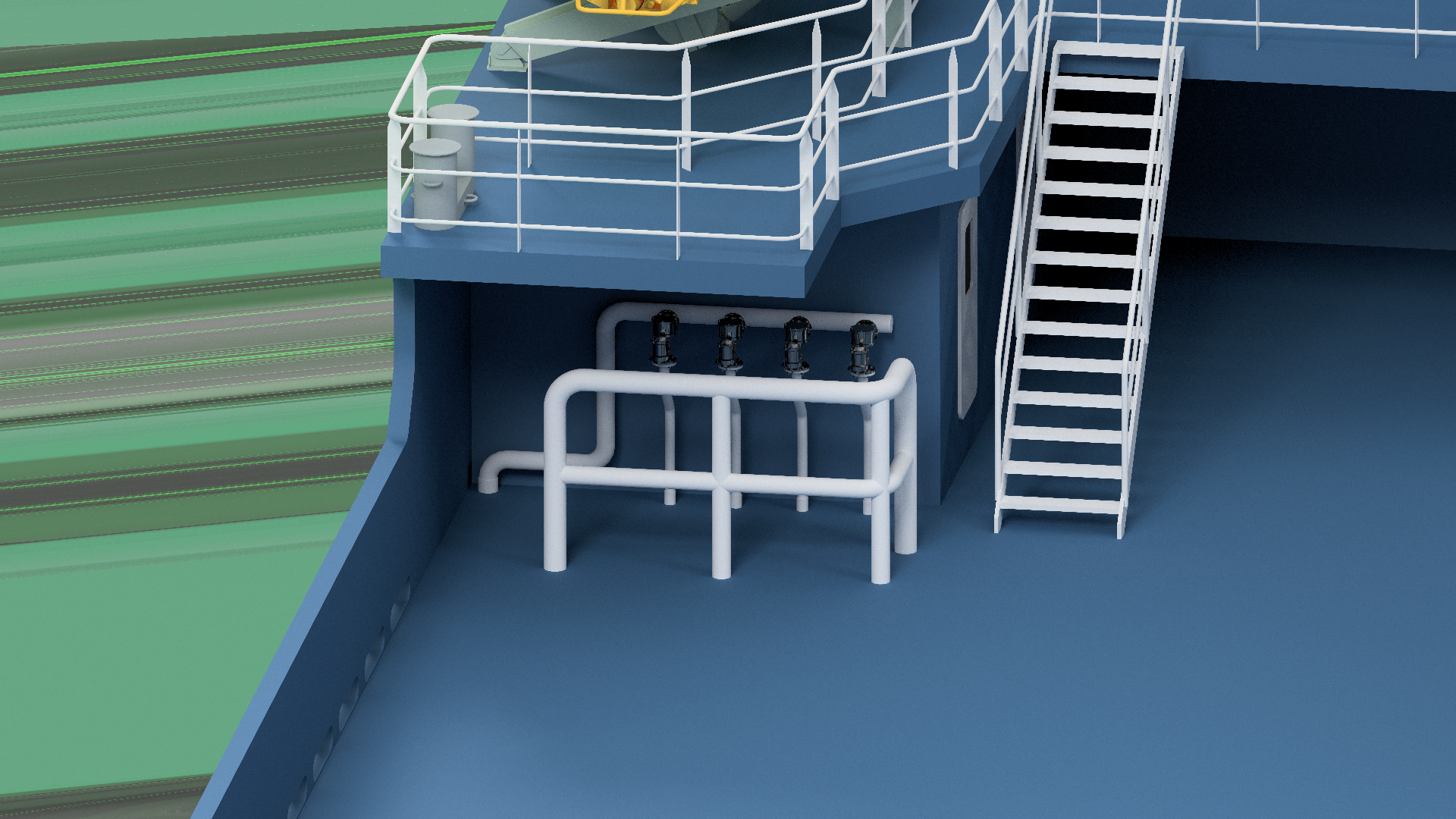
To minimize deck gas zone restrictions, terminating over pressure below sea level presents an effective solution. This approach mitigates the risk of hazardous gas emissions on the deck, enhancing safety measures and ensuring compliance with regulatory standards. The VQSUB pressure valve plays a critical role in maintaining internal pressure below specified limits, thereby preventing overpressure scenarios that could compromise the integrity of the cargo tank. It efficiently adapts to pressure fluctuations within the tank. The vacuum valve, serving as an end-of-line device, facilitates the entry of air into the cargo tank when under pressure arises - an essential function during unloading or thermal variations. Equipped with a certified flame arrester for Apparatus Group IIB (MESG 0.65mm), it effectively contains flammable gases and blocks potential ignition sources from entering the tank. By equalizing under pressure, the vacuum valve safeguards the structural integrity of the tank and supports safe operations
The pressure relief and vacuum relief valves, including the flame arrester, create a robust system for regulating internal pressures, ensuring safety, and enhancing maritime cargo handling. However, a submerged ventilation solution may restrict access at certain ports due to varying interpretations of MARPOL rules and regulations. As an alternative, the Ventiq combined SUB/ SUPER solution provides a viable option to overcome these limitations, ensuring compliance while maintaining operational flexibility